Why Do Gamers Hate Sekiro: Shadows Die Twice? 8 Reasons Explained
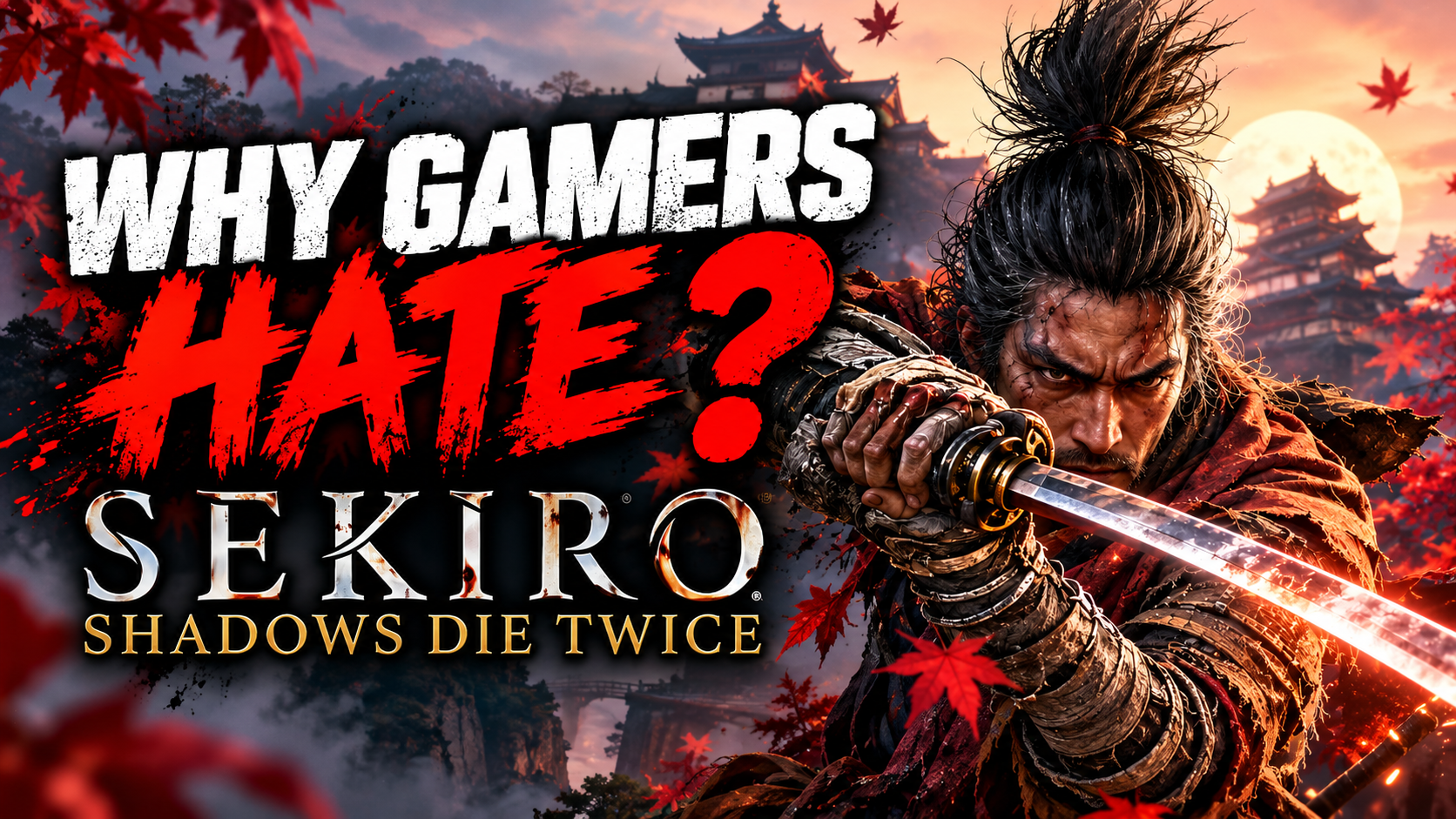
In the gaming world, some games make players feel powerful, while others challenge them at every step. Sekiro: Shadows Die Twice is one of those games that can make players feel both incredibly satisfied and extremely frustrated.
Developed by FromSoftware and published by Activision, Sekiro was released in 2019. The game quickly became famous for its intense sword combat, Japanese setting, challenging bosses, and demanding gameplay mechanics.
However, not every gamer loves it. While some players consider Sekiro one of the greatest action games ever made, others complain that it is too difficult, frustrating, and unforgiving.
So, why do some gamers hate Sekiro: Shadows Die Twice? Is the game genuinely unfair, or does it simply demand a different level of skill from players?
Let's explore the eight biggest reasons behind the controversy.
1. Sekiro Has No Traditional Easy Mode
One of the biggest reasons players struggle with Sekiro is its difficulty.
Unlike many modern games, Sekiro does not offer traditional difficulty settings such as Easy, Normal, or Hard. Every player must learn the game's core combat mechanics and overcome its challenges without simply lowering the difficulty.
If you get stuck on a difficult boss, you cannot switch to an easier setting. Instead, you must study its attacks, improve your timing, and try different strategies.
This can be frustrating for casual gamers who prefer a more relaxed experience. Some players want to enjoy a game's story and world without repeatedly fighting the same enemy.
Sekiro, however, demands patience, concentration, and practice. For some gamers, that is exciting. For others, it makes the experience unnecessarily stressful.
2. You Cannot Play It Like Dark Souls or Elden Ring
Another major reason players struggle with Sekiro is that its gameplay is very different from other FromSoftware titles.
In Elden Ring, players can explore different regions, upgrade their characters, experiment with weapons and magic, summon allies, and develop alternative builds to defeat difficult bosses.
Sekiro offers much less flexibility. You play as Wolf, a shinobi whose combat revolves around sword fighting, deflection, posture damage, and carefully timed attacks.
Dodging every enemy attack, as players sometimes do in other action games, is not always the best strategy in Sekiro.
The game encourages you to stand your ground, read enemy movements, and respond with precise deflections.
Even experienced Soulslike players can struggle because many of their familiar habits do not work as effectively here.
3. The Deflection System Requires Excellent Timing
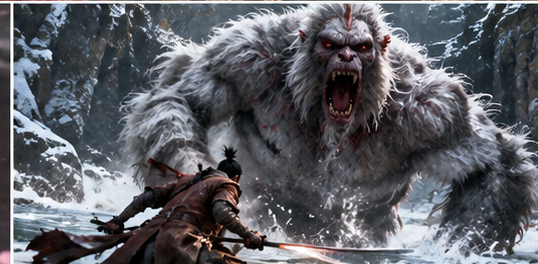
Sekiro's combat system is one of its greatest strengths, but it is also one of its most demanding features.
Instead of relying only on health damage, players must manage enemy posture. Deflecting attacks at the right moment helps build posture damage, eventually creating an opportunity for a devastating Deathblow.
However, missing the timing can leave you vulnerable to powerful attacks.
Some enemies attack rapidly, while others use delayed strikes designed to punish players who react too early. Learning these patterns takes time.
For players who enjoy precise, skill-based combat, this system feels incredibly rewarding. Every successful deflection creates a satisfying rhythm that makes sword fights feel intense and cinematic.
But players who prefer more forgiving combat mechanics may find the constant pressure exhausting.
4. Boss Fights Can Feel Brutal and Unforgiving
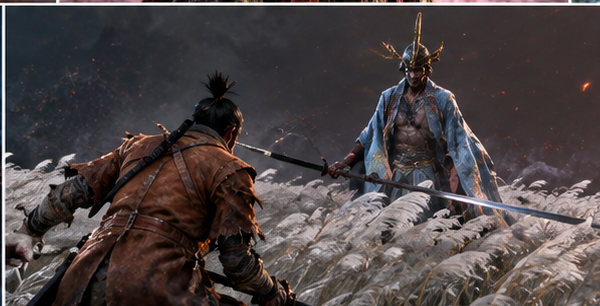
Sekiro's boss fights are among the most memorable aspects of the game, but they are also a major source of frustration.
Bosses such as Genichiro Ashina, the Guardian Ape, and Sword Saint Isshin test nearly every skill the player has learned.
Each boss has different attack patterns, movement styles, and abilities. Some require aggressive combat, while others demand careful observation and precise reactions.
Sword Saint Isshin is a particularly famous example. His multiple phases, aggressive attacks, and changing combat patterns can force players to rethink their strategies repeatedly.
Losing to the same boss over and over can make players feel as though they are making no progress.
However, defeating these bosses after numerous attempts can be incredibly satisfying. The problem is that not every player enjoys the learning process required to reach that moment.
5. There Is Less Freedom in Character Builds and Weapons
Character customization is an important part of many action RPGs.
In games like Elden Ring, players can choose from a huge variety of weapons, armor, spells, and character builds. This freedom allows them to develop unique playstyles.
Sekiro takes a different approach.
You primarily play as Wolf, and his katana remains the central part of the combat experience. Shinobi prosthetic tools and combat arts add variety, but they do not provide the same freedom as a traditional RPG build system.
You cannot simply switch to a completely different character build whenever you encounter a difficult boss.
Instead, the game expects you to improve your understanding of its combat mechanics.
For gamers who love experimenting with different weapons and playstyles, this limitation can make Sekiro feel restrictive.
6. Repeated Deaths Can Become Frustrating
Death is an expected part of Sekiro, but its consequences can make repeated failures feel even worse.
When players die, they can lose some of their carried Sen and progress toward their current skill point. This creates additional pressure when attempting difficult encounters.
The game also features Dragonrot, a mechanic that can affect certain characters after repeated deaths. Although it does not permanently block the main story, it can make players worry about the consequences of failure.
For beginners, these systems can turn an already challenging experience into an even more stressful one.
Instead of focusing entirely on learning a boss, players may also worry about losing resources or delaying their progression.
Experienced players often accept these mechanics as part of the challenge, but newcomers may find them unnecessarily punishing.
7. Sekiro Forces Players to Learn From Their Mistakes
One of Sekiro's defining characteristics is that it rewards genuine improvement rather than allowing players to rely on a single easy strategy.
You must learn to recognize enemy attacks, distinguish between different dangerous moves, and respond appropriately.
For example, certain attacks require a jump, others can be countered with a Mikiri Counter, and many ordinary strikes can be deflected.
At first, remembering these responses can feel overwhelming.
However, something changes when the mechanics finally click. Attacks that once seemed impossible become easier to recognize, and combat begins to feel natural.
This learning curve is one reason some players abandon the game while others become deeply attached to it.
Sekiro does not just test your reflexes. It challenges your patience, observation, and ability to adapt.
8. Why Do Other Gamers Call Sekiro a Masterpiece?
Despite its difficulty, Sekiro has received widespread critical acclaim.
Its Japanese-inspired environments, atmospheric storytelling, stealth mechanics, memorable characters, and precise combat help distinguish it from other action games.
The game also won Game of the Year at The Game Awards 2019, demonstrating its impact on the gaming industry.
One of its greatest achievements is how satisfying combat feels once players understand the mechanics.
A difficult encounter can transform from a frustrating struggle into a perfectly timed exchange of attacks and deflections.
Instead of simply making your character stronger, Sekiro encourages you to become a better player.
For many fans, that feeling of personal improvement is what makes the experience special.
Conclusion: Is Sekiro a Bad Game Because It Is Difficult?
Sekiro: Shadows Die Twice is not a game that will appeal to everyone, and that is perfectly fine.
Players who enjoy flexible character builds, multiple combat approaches, and a more forgiving progression system may find its design restrictive.
On the other hand, gamers who appreciate precise sword combat, challenging boss fights, and the satisfaction of mastering difficult mechanics may consider it one of the best action games ever created.
The real issue is not simply that Sekiro is difficult. It is that the game expects players to engage with its combat system on its own terms.
Some gamers love that commitment. Others prefer games that offer more freedom and flexibility.
Ultimately, Sekiro's difficulty is both its greatest strength and its biggest barrier to enjoyment.
What do you think? Is Sekiro: Shadows Die Twice a masterpiece, or is its difficulty unnecessarily frustrating? Share your opinion in the comments below!
What did this spark?