How Scammers Are Targeting LATAM Crypto Users with Fake Tokens & Rug Pulls
Complete exposé on fake tokens, rug pulls, phishing, influencer scams, and smart contract exploits targeting Latin American crypto users. Learn the exact red flags, scammer tactics, and proven safety measures to protect your funds in 2025.
Fake Tokens, Rug Pulls and New Scams Targeting LATAM Users
Introduction to LATAM Consumer Risk
Cryptocurrency selection is growing quickly in LATAM, Latin America. But with this quick adoption, modern tricks and rip-offs have, moreover, developed. Users looking for new technologies and coins often fall victim to scams. Fake tokens and rug-pulling have become major sources of financial loss. Scammers use new strategies that specifically target LATAM users. Without awareness and proper research, users risk losing their funds. The combination of the allure of fast profits and the lack of regulation in the crypto world creates risks for users. Users should not rely solely on technical details but also consider the project’s fundamentals and market reputation.
Why Are LATAM Users Targeted?
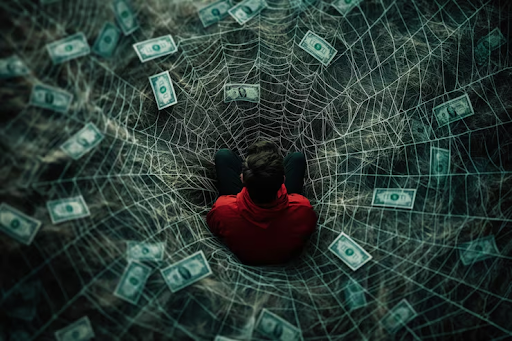
Consumers in the LATAM locale are curious, almost crypto, and are forceful investors. Modern investors and beginners are regularly attracted by build-up and guarantees. The absence of local regulations also creates an advantage for scammers. Scammers gain trust by exploiting language and local communities. The widespread use of mobile-based wallets and exchanges provides easy access for hackers. Economic instability and high inflation also attract consumers to projects that promise high returns. Regional events and political changes also promote short-term hype and new project launches. Scammers conduct direct and targeted marketing using social media and instant messaging apps.
Common Types of Counterfeit Tokens
Fake tokens are often created for short-term hype and marketing. These tokens have no real utility or development plan. Developers and insiders keep excess supply in their wallets. Users are lured into a trap of quick profits, and funds are withdrawn. These tokens are often launched under the name of memecoins or trending topics. Fake tokens experience sudden pumps and dumps in the market. Users pay high prices and lose. Some tokens have low initial liquidity, which allows insiders to easily manipulate the price. This gap between user expectations and reality is a key element of scams.
Carpet Pulling Patterns in LATAM
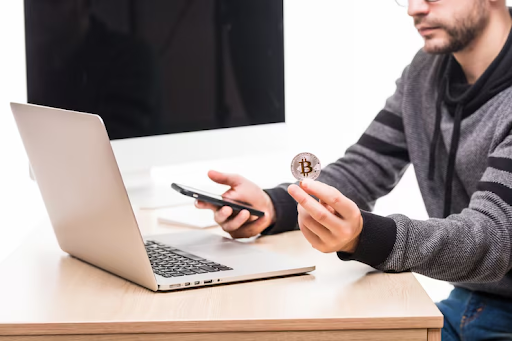
A rug pull is a common scam where developers launch a project and collect user funds. They then suddenly empty their wallets, causing the project to crash. This often happens with new projects and exchanges in LATAM. Initial hype and social media promotion attract users. Impressive and fake testimonials also build trust. Users expect high profits, but in reality, losses occur. Large amounts of funds disappear from the market, leaving users helpless. Rig pulls are short-lived and maximize internal profit. The scam model is often repeatable and systematic.
Social Media and Influencer Roles
Social media and influencers play a role in scams. Fraudsters use local influencers or fake accounts. Clients often drop into the trap of social confirmation. Fake airdrops and giveaways are announced on Wire, WhatsApp, and Instagram channels. Clients share their private keys with the promise of free coins and rewards. Fake engagement and viral content mislead users. These scams especially target beginners who are weak in crypto awareness. Influencers’ profits often outweigh user losses. Marketing and hype blind users and minimise rational decisions.
Warning Signs of Fake Tokens
The developers of the token are anonymous.
A white paper or roadmap is missing.
There are sudden price spikes and dumps in the token market.
The social media hype is excessive, and the project's utility is zero.
Trust is built through impactful and paid promotions.
By looking out for these warning signs, clients can protect their funds. Awareness is the most viable way to avoid extortion. The aptitude for detecting fake tokens improves over time.
Payment Scams Targeting LATAM Users
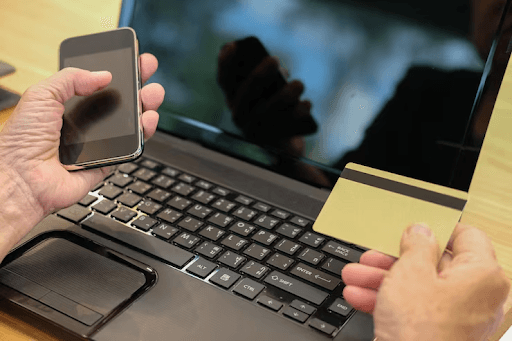
Fraudsters use local payment methods and banks. Users face losses by deceiving them into making deposits and withdrawals. Fake exchanges and payment gateways accept local currencies, but funds disappear. Misuse of credit cards and mobile wallets is also common. Users should use verified and trusted platforms. Any unusual request or fund transfer should be viewed with suspicion. Phishing and fake receipts also play a role in payment scams. The lack of regulation of regional banks and fintech apps further increases the risk.
How Users Lose Funds in Fake Tokens
Users often invest on the promise of high returns. The price of a fake token pumps up in the early stages and attracts interest. Large investors and insiders sell, and the price falls. Users try to get out of their funds in a panic, but losses are inevitable. Fraudulent contracts and unverified exchanges also increase the risk. Malware or phishing links in mobile devices obtain users’ private keys. Users’ trust is easily broken, and they invest in short-term hype.
Smart Contract Exploits in LATAM Scams
Carpet-pulling is common in DeFi and smart contracts. Developers intentionally insert vulnerabilities. Users who interact with smart contracts lose funds. Missing contract audits increase the risk. LATAM users should read contracts carefully. Do not blindly trust claims of high APY and unrealistic profits. It is a safe practice to use test transactions and small amounts in contract interactions. Developers often hide backdoors in the code that allow access to funds.
Security Measures for LATAM Users
Use trusted and verified exchanges.
Adopt hardware wallets and secure storage
Never share private keys.
Follow scam reports and community alerts.
Diversify and research investments.
Users who are new to the regulations are effortlessly caught. Governments are now executing mindfulness campaigns and regulations in stages.
Regulatory Challenges in LATAM
Crypto regulations in LATAM countries are still in the development stage. The lack of a legal framework creates an advantage for fraudsters. Adopting these measures significantly reduces the risk of fake tokens and rip-off plans. Education and carefulness are the most vital factors. Trades must keep up compliance and transparency. Proper documentation and evidence are also crucial to take legal action. The need for regulatory clarity influences both universal investors and nearby beginners.
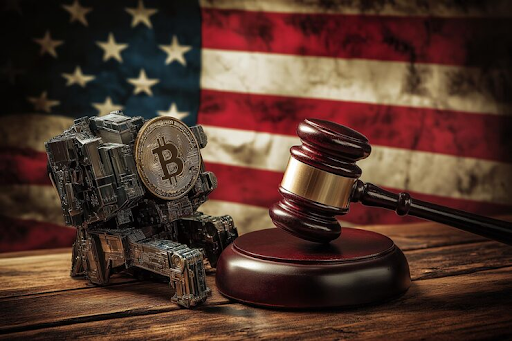
LATAM Crypto Users: Scammers Are Targeting You — And They’re Winning
Fake tokens. Rug pulls. Influencer scams. Phishing in Spanish/Portuguese.
If you’re not protecting yourself — you’re already losing.
Conclusion
Fake tokens, rug pulls, and new scams are exploding across LATAM. Scammers exploit language, economic conditions, mobile wallets, and lack of regulation to target users aggressively.
But with awareness, research, and basic security habits — you can stay safe.
Never trust hype. Never share keys. Never invest without checking fundamentals.
In crypto, your security is 100% your responsibility.
Protect yourself — or become the next victim.