Crypto Hacks 2025: Why They’re Getting Worse & Exactly How to Protect Your Assets
Complete 2025 guide to why crypto hacks are exploding — phishing, wallet attacks, smart contract exploits, exchange breaches — and proven, step-by-step security practices to keep your funds 100% safe.

Why Crypto Hacks Are Increasing in 2025 & How Users Can Stay Safe
The crypto market issue of hacks is growing day by day. Individuals are becoming defrauders of their online resources and this is making it spread fear and confusion. New tricks are employed by hackers and people who are not careful become their prey. Big exchanges are not the only ones prone to crypto hacks. Individual users and small wallets are also targeted.

Some of the sophisticated techniques employed by hackers are phishing attacks, fraudulent apps, and malware attacks. Investors and users are advised to realize that security is the crucial factor in crypto. We are able to secure our assets through awareness and proper techniques.
Reasons Why Crypto Hacks Happen
The increase of crypto adoption → more targets for hackers
Lack of user awareness and poor security habits
Decentralized nature = no central authority to protect users
Explosion of phishing, fake apps, and social engineering
Bugs and vulnerabilities in smart contracts and DeFi protocols
Common Types of Crypto Hacks
Exchange hacks — millions stolen from centralized platforms
Phishing attacks — fake emails, texts, websites stealing keys
Wallet hacks — private key theft via malware or weak security
Smart contract exploits — draining funds from DeFi protocols
Rug pulls — developers vanish with liquidity

Why Are Consumers Vulnerable?
Lack of technical knowledge
Weak or reused passwords
No 2FA enabled
Falling for fake investment schemes
Malware-infected devices
Storing all funds in one wallet
Safety Measures for Users
Use strong, unique passwords
Enable two-factor authentication (2FA) everywhere
Never share your private keys or seed phrase
Keep devices clean — use antivirus and avoid suspicious downloads
Distribute funds across multiple wallets
Best Practices for Wallet Security
Use hardware wallets (Ledger, Trezor) for long-term storage
Only download official wallet apps
Store seed phrases offline (metal backup recommended)
Regularly check wallet activity for suspicious transactions
Use multi-signature wallets for large amounts
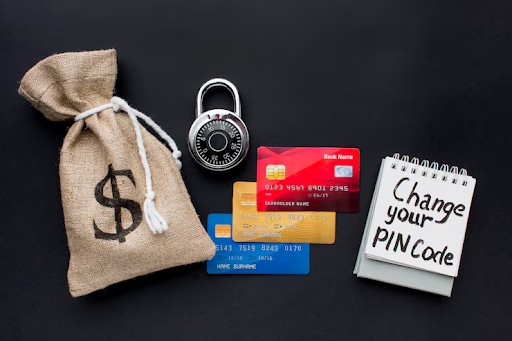
Exchange Security Measures
Enable 2FA + withdrawal whitelist
Use exchanges with insurance funds
Set up withdrawal delays/time locks
Never leave large amounts on exchanges
How to Avoid Phishing Scams
Never click links from emails or DMs
Always type URLs manually
Verify sender email addresses
Never enter seed phrase on any website
Use bookmark shortcuts for real sites
Smart Contracts & DeFi Safety
Only use audited protocols
Check for third-party security reports
Start with small test transactions
Avoid “1000% APY” promises
Research team and past performance

Additional Protective Tips
Research every project before investing
If it sounds too good to be true — it is
Use hardware wallets for long-term holdings
Keep software and devices updated
Never store seed phrases digitally
The Role of Awareness in Prevention
Awareness is key. The most significant step is educating the consumers. Cryptocurrency frauds and breaches are always on the news. Risk is minimized when the consumers are aware. Community alerts and educational content ensure that the consumers are aware of the current threats. Awareness does not only secure the money of the consumers but also assists consumers to engage in a responsible act in the market.
In Crypto, Your Security Is 100% Your Responsibility
No bank. No reversal. No customer support.
One mistake = everything gone forever.
Conclusion
Hacking of cryptos is increasing and this will not stop. Users could take the appropriate precautions and adopt the appropriate security measures to protect their assets.
Two-factor authentication, strong passwords, hardware wallets, smart contract research, and a common sense attitude make the hackers anxious.
It should be understood that the keys to survival in crypto are responsibility and caution.
Crypto is not secure, but any informed and prepared user can save their money. The threat of hacks and scams will never be zero, but with appropriate security measures, this threat may be mitigated significantly.
The investment is not the only formula of success in crypto —
Security awareness and intelligent practices are equally important.